


Belly Fat in Teenagers: What a Year-Long Study Actually Found
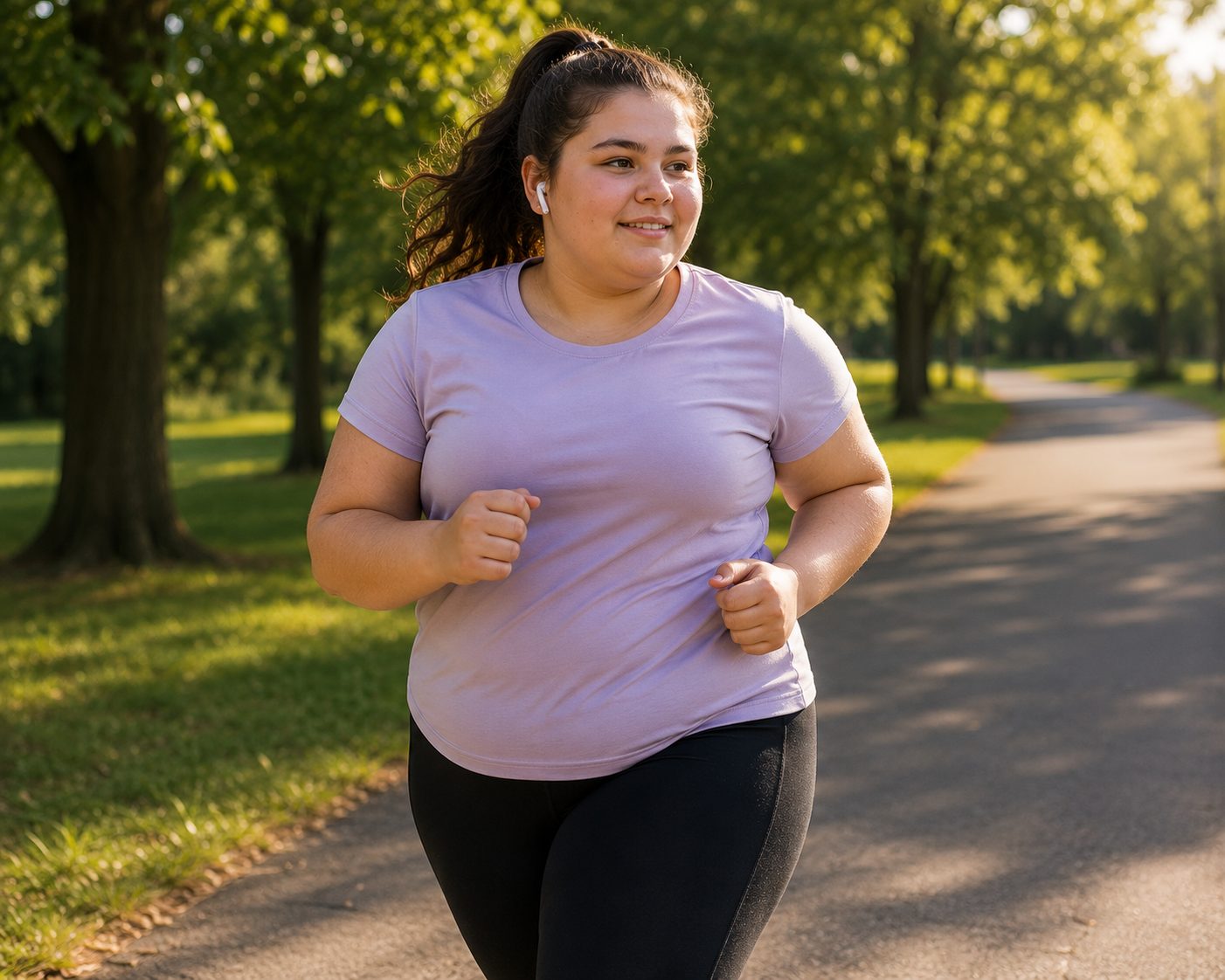
Belly fat in teenagers is something I get asked about constantly, and I understand why. Teenagers often want their belly fat to disappear for cosmetic reasons, and that is a completely understandable and valid feeling. But as a pediatric endocrinologist, I want to explain why I care about belly fat for a very different reason, one that has much bigger implications for your teenager's long-term health.
I want to walk you through a research study that looked specifically at this question in teenagers: what happens to belly fat with a structured, long-term program, and why it matters so much more than appearance alone.
Why Belly Fat in Teenagers Matters More Than Appearance
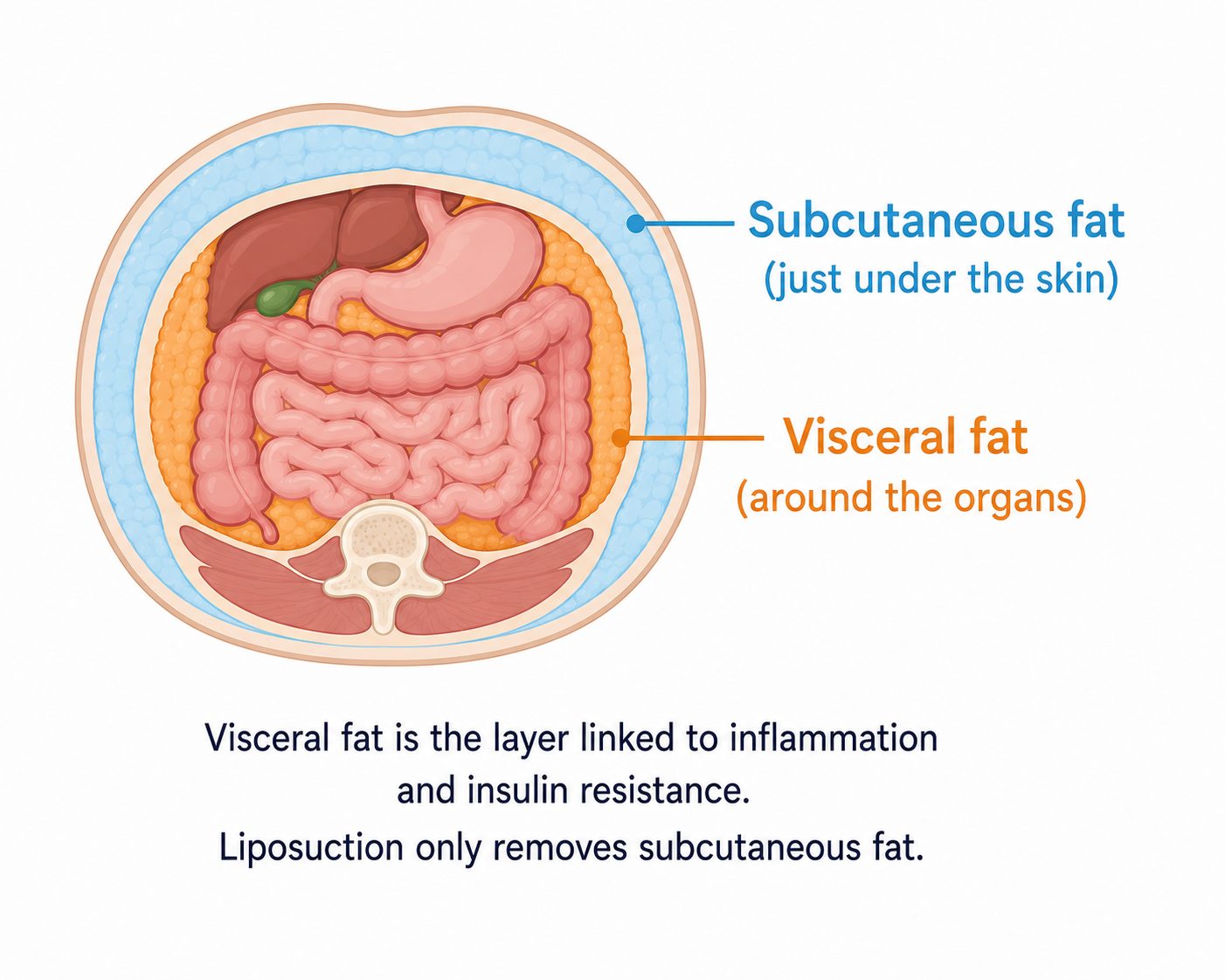
Here is something important to understand right away. There are two different types of fat in the belly area, and they behave very differently in the body.
Subcutaneous fat sits just beneath the skin. This is the fat you can pinch. Visceral fat, by contrast, sits deeper, surrounding the internal organs. Visceral fat is the one we are genuinely concerned about from a health perspective, because it actively produces inflammatory substances and worsens insulin resistance, which increases the risk of developing type 2 diabetes and other metabolic complications over time.
Certain hormonal and biological conditions favor the deposition of fat specifically in the belly area, which is why belly fat in teenagers deserves real clinical attention, not just cosmetic concern. Doctors can measure visceral fat using imaging methods including ultrasound, CT scans, and MRI.
What the Research Study on Teen Belly Fat Actually Found
I want to share a research study that examined exactly this question in teenagers. The study, conducted through the Federal University of São Paulo, looked at obese adolescents between the ages of 15 and 19 with a BMI above the 95th percentile for their age, the clinical threshold for obesity.
The study, published in Metabolism: Clinical and Experimental, enrolled 18 adolescents who participated in a year-long interdisciplinary lifestyle program. Researchers measured visceral and subcutaneous fat using ultrasound, along with blood markers of inflammation, both before and after the year-long intervention.
What the Year-Long Program for Belly Fat in Teenagers Actually Included
This was not a quick fix or a short-term intervention. The program ran for a full year and combined multiple components working together.
- Exercise three times weekly for about an hour, including intensity targets to ensure genuine cardiovascular benefit
- Regular meetings with a dietitian to build healthier, sustainable food choices
- Weekly education sessions covering topics like reading food labels, understanding fast food and processed food, and identifying healthier alternatives such as better sandwich and shake options
- Keeping a food diary to build awareness of actual eating patterns
- Regular sessions with a psychologist to address body image, anxiety, self-esteem, and emotional eating patterns
This multi-component structure matters enormously. It was not just exercise or diet advice. It combined movement, nutrition education, emotional support, and consistent accountability over an extended period.
The Results: How the Program Affected Belly Fat in Teenagers
After the year-long program, researchers found meaningful, measurable improvements. Visceral fat, the deeper, more dangerous type of fat surrounding the organs, decreased significantly. Body composition improved overall, with reductions in total body fat percentage and body mass index.
Just as important, the markers of inflammation in the blood improved alongside these physical changes. Specifically, levels of inflammatory markers linked to insulin resistance, including interleukin-6 and tumor necrosis factor-alpha, decreased, while adiponectin, a hormone associated with better insulin sensitivity and reduced inflammation, increased. This connection between visceral fat reduction and improved inflammatory markers is the most clinically significant finding in this research, because it confirms that reducing belly fat in teenagers through sustained lifestyle change has measurable effects on the underlying biology driving future health risk, not just on appearance.
The National Institute of Diabetes and Digestive and Kidney Diseases confirms this connection broadly, noting that visceral fat is metabolically active tissue that releases inflammatory substances and contributes to insulin resistance, which is why it carries greater health risk than fat stored elsewhere in the body.
To understand more about how this kind of inflammation and insulin resistance develops during puberty, my post on insulin resistance in teens explains the underlying biology.
Why Quick Fixes Don't Work for Belly Fat in Teenagers
I want to be honest about something, because I see families searching for shortcuts often, and I understand the appeal.
This research demonstrates clearly that meaningful, lasting reduction in visceral fat is possible, but it required a full year of consistent, multi-component effort with real professional support and accountability. There was no overnight transformation. This is an important reframe: progress with belly fat in teenagers is genuinely achievable, but it takes sustained effort, not a quick fix.
I want to specifically caution against looking for magic diets, detox programs, or anything promising to dissolve belly fat within a month. These approaches are short-lived. They do not last, and more importantly, they do not build the underlying habits that create lasting results. Once habits are genuinely established, nobody can take them away from your teenager. That is the real, durable outcome we are working toward.
If you are looking for a starting point that does not involve restriction or quick-fix thinking, my post on why eat less move more fails teenagers explains a more sustainable approach.
What About Liposuction?
This question comes up surprisingly often, so I want to address it directly.
Liposuction can remove subcutaneous fat, the fat just beneath the skin. It does not remove visceral fat, the deeper fat around the organs that is actually responsible for the inflammation and metabolic risk we have been discussing. These are two distinct types of fat that behave completely differently in the body.
This means liposuction, even though it is an aggressive and invasive procedure, does not address the health risks associated with belly fat in teenagers. Visceral fat specifically responds to healthy lifestyle change and sustained weight management, not surgical removal of surface fat. This is an important distinction for any family considering cosmetic procedures as a shortcut to addressing what is fundamentally a metabolic health issue.
To understand where your teenager's current weight and body composition stand relative to a healthy range, my post on how much weight should my teenager lose walks through how to think about this using the same tools researchers use.
Progress on Belly Fat in Teenagers Is Possible, With Time and Support
The most encouraging message from this research is that meaningful change in teenagers' belly fat is genuinely possible. It does not require surgery, extreme restriction, or magic solutions. It requires regular exercise, better food choices, emotional support, and time, ideally guided by a structured program with real accountability.
This does not need to happen overnight, and it does not need to be perfect from day one. Small, consistent habits, built over months, can meaningfully change your teenager's visceral fat, inflammation levels, and long-term metabolic health, exactly as this research demonstrated.
No shame, no quick fixes, just hormones and habits working the way they are meant to over time.
For 30 free high-protein recipes that support this kind of sustainable lifestyle change, visit lifestyleforteens.com/recipes.
NEXT STEPS
If your teen needs support to build these habits, this is exactly why I created the 100-Day LIFT Program — a pediatric weight management program that does not focus on dieting at all. It addresses the root cause: dysregulated insulin and the hormonal patterns behind the constant hunger, fatigue, and weight gain so many teens are quietly carrying. Over 100 days, we focus on steady blood sugar, protein-forward food, better sleep, calmer stress, and the specific kinds of movement that genuinely improve insulin sensitivity in teenagers.
There is no calorie counting. No food restriction. No shame-based language — because none of that works when the issue is biological, not behavioral.
And this is not an app. Parents and teens get direct, live access to me throughout the program — real conversations, real answers, real support. Not a chatbot. Not a feedback form. A pediatric endocrinologist who knows your teen and is walking the process with you, week by week.
Reach out to learn more, or book a free call with me to see if it is the right fit for your family.
For weekly guidance on teen metabolic health, hormones, and nutrition, I also share something new every week on my Lifestyle and Weight Loss for Teens podcast.
Frequently Asked Questions
Why is belly fat in teenagers a health concern, not just a cosmetic one?
Belly fat in teenagers is a health concern primarily because of visceral fat, the type of fat that surrounds the internal organs. Unlike subcutaneous fat just beneath the skin, visceral fat is metabolically active and produces inflammatory substances that worsen insulin resistance, increasing the risk for type 2 diabetes and other long-term health complications.
Can belly fat in teenagers actually be reduced?
Yes. Research on a year-long interdisciplinary lifestyle program for obese adolescents found significant improvement in visceral fat following sustained exercise, nutrition education, and psychological support over a full year. The key factor was consistency and structure over time, not a quick fix.
Does liposuction remove the harmful belly fat in teenagers?
No. Liposuction only removes subcutaneous fat, the fat just beneath the skin. It does not remove visceral fat, which is the deeper fat around the organs and is associated with inflammation and increased metabolic risk. Addressing visceral fat requires sustained healthy lifestyle change rather than surgical fat removal.
How long does it take to see results in reducing belly fat in teenagers?
Meaningful, lasting reduction in visceral fat typically takes sustained effort over months, not days or weeks. Research on structured lifestyle programs for adolescents has shown significant results after a full year of consistent exercise, nutritional guidance, and emotional support. Quick-fix diets or short-term programs are unlikely to produce the same lasting metabolic benefits.
What kind of program is most effective for reducing belly fat in teenagers?
Research supports a multi-component approach including regular structured exercise, nutritional education and guidance from a dietitian, psychological support to address body image and emotional eating, and consistent accountability over an extended period, ideally at least several months to a year. Programs combining all of these elements have shown the most significant improvements in both visceral fat and related inflammatory markers.
What is the difference between visceral fat and subcutaneous fat?
Subcutaneous fat is the fat located just beneath the skin, the type that can be pinched. Visceral fat is located deeper in the abdomen, surrounding the internal organs. Visceral fat is the type most strongly linked to inflammation, insulin resistance, and increased risk for metabolic and cardiovascular complications, which is why it is the primary focus of clinical concern regarding belly fat.
About the Author
Dr. Jenny Gourgari, MD — Pediatric Endocrinologist & Obesity Medicine Specialist
Dr. Jenny is a board-certified Pediatric Endocrinologist and Obesity Medicine Specialist with 15+ years of experience helping teens with insulin resistance and prediabetes. She is the founder of Lifestyle for Teens and creator of the LIFT 100-Day Program. No diets. No shame. Just hormones that work.
Board Certified: Pediatric Endocrinology • Pediatrics • Obesity Medicine (ABOM) • MSc, Georgetown University • Full credentials →





No comment